 Big moves can shake up everything at once. Jobs shift, routines fall apart, and the familiar faces that once filled daily life suddenly feel a world away. In the middle of that upheaval, many families lean on their faith communities for steady, everyday support. Churches, mosques, temples, and other interfaith groups often show up with real, practical help that lightens the load, whether it’s hands, on packing support, meals, or coordination of logistics. Even for long distance moving NYC to Boston, that same community spirit travels with them, offering emotional grounding and concrete aid when familiarity is miles behind and the road ahead feels longest.
Helping Hands During the Packing and Transition
For many families, the most obvious support comes from people showing up with real, physical help. When a move is local, volunteers may show up with trucks, boxes, or a willingness to lift furniture. Some groups organize moving ministries where members help anyone who needs to relocate. Even smaller congregations often gather a few willing hands to share the load.
When the move is long-distance, the help looks different but still matters. Faith groups might offer temporary storage, childcare during packing days, or meals when the house is half emptied, and nothing is where it should be. Some communities put together send-off teams that help families tie up loose ends or coordinate logistics.
These acts are simple, but they make a stressful time feel manageable. Families often say the smallest support, such as someone labeling boxes, driving a second car, or dropping off dinner, keeps them from feeling overwhelmed.
Emotional Support When Big Changes Stir Up Big Feelings
Relocation brings a mix of excitement and fear. It is common for adults to worry about new jobs or finances, while kids worry about new schools and friendships. Faith leaders and members are often the people families feel safest talking to during these moments.
Many houses of worship hold prayer gatherings or blessing ceremonies for families preparing to move. These moments give people space to express sadness, hope, and gratitude. They also signal that it is normal to feel more than one thing at once.
Some faith communities pair departing families with someone who has moved recently. Hearing from another person who navigated the same upheaval can ease anxiety. Others host farewell gatherings where people share memories and offer encouragement. These gestures help families feel seen and supported during an emotional stretch of life.
Kids often get special attention, too. Youth leaders may check in with them, help them talk through their worries, or connect them with peers who have moved. Even a simple card or goodbye party can help children handle the transition with less fear.
Spiritual Steadiness in a Time of Uncertainty
For many families, spiritual grounding is what holds everything else together during a move. Faith communities provide that sense of steadiness when routines fall apart.
Clergy members often offer guidance or prayer that helps people feel anchored. Families may seek clarity about why the move matters or how it fits into their sense of purpose. Spiritual counsel can make the transition feel less like a disruption and more like the next chapter of a meaningful story.
Rituals play a role as well. Some families invite their clergy or spiritual leaders to bless their old home before leaving or their new home after arriving. These rituals mark the change in a comforting way. They create a sense of continuity that helps families feel connected even as their environment shifts.
Community Connections in the New Location
Support does not end when the moving truck pulls away. Many faith communities help families settle into a new city by connecting them with congregations there. This can make a new place feel less unfamiliar right away.
When families arrive, a local congregation may welcome them with meals, help them learn the area, or introduce them to other families. For parents, these connections can shorten the lonely stretch that often comes with settling in. For children, meeting peers quickly can ease the transition into new schools and activities.
Some groups maintain ongoing check-ins for a few months. They may offer guidance on finding doctors, schools, or neighborhood resources. A friendly voice checking in can soften the early weeks of uncertainty.
Why This Support Matters
Moving is more than a logistical problem. It disrupts relationships and identity. Faith communities often step in because they understand that people need connection during these times. They offer more than help. They offer belonging.
A move can feel like everything familiar is suddenly out of reach. Having a community that steadies you, prays with you, shows up to carry boxes, and stays in touch afterward can make the difference between feeling uprooted and feeling supported.


 Diablo II is remembered for its dark tone, punishing difficulty, and obsessive loot chase. But beneath the clicks and carnage sits a clear thematic core. The game is built on religious symbolism, and even Diablo 2 gear can feel like sacred artifacts or cursed icons pulled from that struggle. Angels and demons are not background flavor. They shape the story, the world, and the player’s role in it. Diablo II uses familiar religious ideas, then bends them into something colder and more tragic.
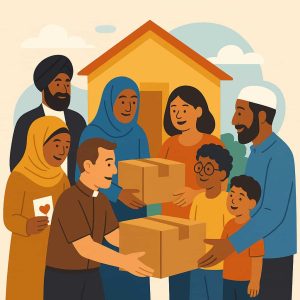 Big moves can shake up everything at once. Jobs shift, routines fall apart, and the familiar faces that once filled daily life suddenly feel a world away. In the middle of that upheaval, many families lean on their faith communities for steady, everyday support. Churches, mosques, temples, and other interfaith groups often show up with real, practical help that lightens the load, whether it’s hands, on packing support, meals, or coordination of logistics. Even for long distance moving NYC to Boston, that same community spirit travels with them, offering emotional grounding and concrete aid when familiarity is miles behind and the road ahead feels longest.
 One thing that God made that can be used for his glory is the ability to play sports.
 Archbp. Salvatore Cordileone of the San Francisco Archdiocese announced last Monday that they have filed for bankruptcy amidst hundreds of lawsuits faced by the archdiocese. According to the Archbishop they believe the legal bankruptcy proceedings will provide an equitable and compassionate solution to the survivors of the child sex abuse cases faced by archdioceses. At the same time, it will ensure the continuing ministries of the
  Jeff Anderson, lawyer of the victims of the alleged child sexual abuse criticized Archbishop Cordileone’s Chapter 11 bankruptcy announcement. He contends that the Archbishop’s move only demonstrates his intention to keep everything secret as a means of self-protection.


 Most often, towing scams target stranded motorists and take advantage of the vulnerable situation that they are in. Deceitful towing companies or tow truck drivers will do anything that they could to be able to get from their victims as much money as they could. Hence, you must be aware of the different towing scams out there. By equipping yourself with such knowledge, you can identify and easily avoid being tricked and scammed and be able to find a reliable towing company like Tow Truck San Jose. With that, here are some towing scams to be aware of: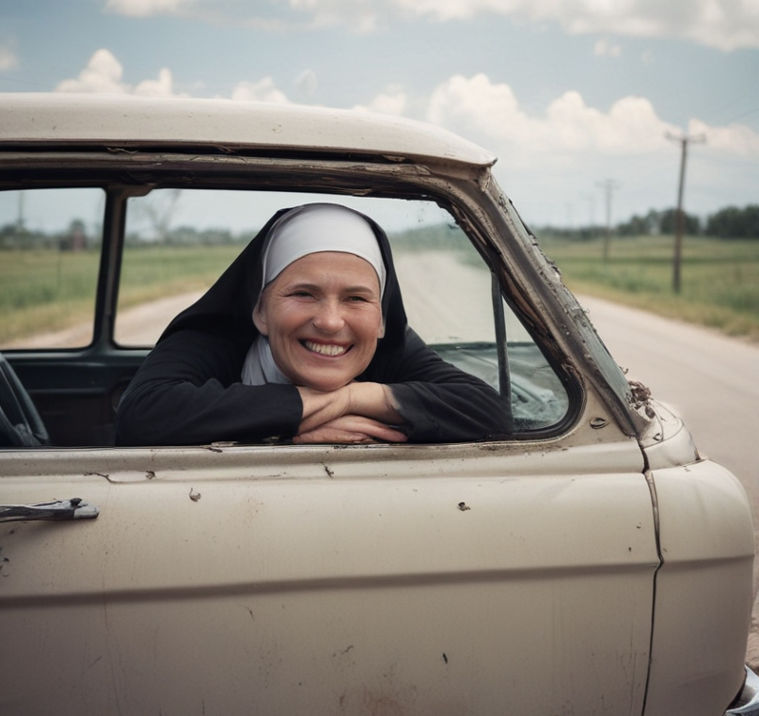


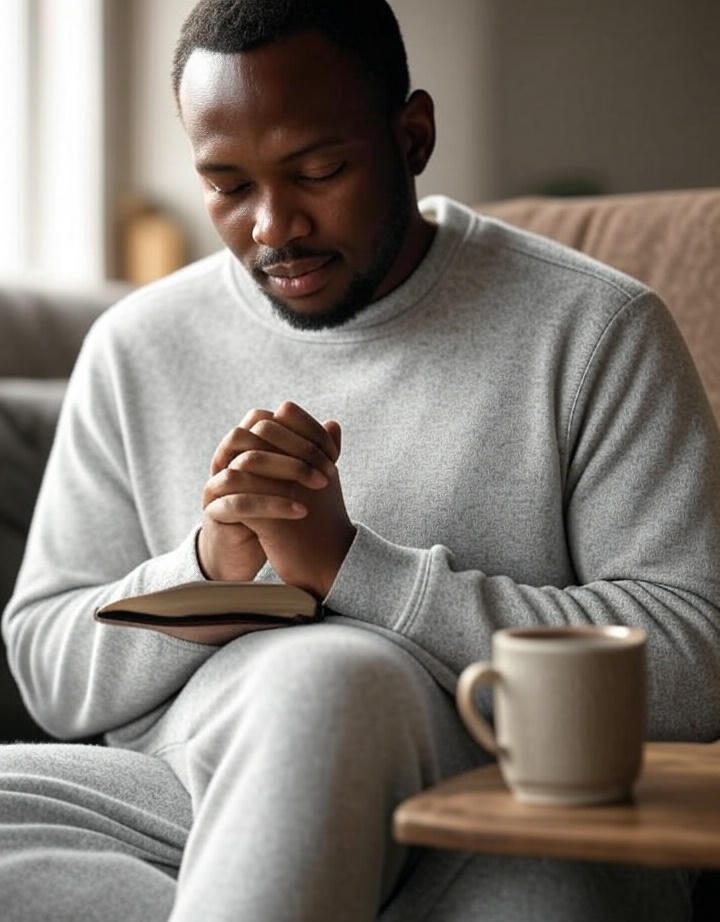
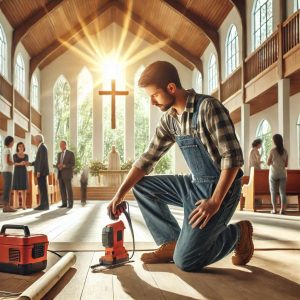 Reinstatement contractor Singapore plays an essential role in restoring properties to their original state. But for some, the work goes beyond physical transformations—it can reflect a deeper connection to faith. Religion, with its focus on renewal, redemption, and rebuilding, shares parallels with the work of reinstatement contracting.


 Religion and business outsourcing are two areas that may seem entirely unrelated. However, outsourcing has become an increasingly popular business strategy, and religious institutions have also started to explore outsourcing in their operations. In this article, we will explore how religion and business outsourcing can come together.
 Bankruptcy may seem like a daunting experience, but it doesn’t have to be permanent. With proper assistance and direction, people can improve their financial situation and establish a more prosperous future. Religious organizations have the potential to
 The idea of a connection between faith and math is not new. This is not just an intellectual connection. It is also an emotional one. The feeling that we get when we think about the infinite nature of space, or contemplate the complexity of life, that feeling can be described as spiritual awe and it is something that many people experience in mathematics.
 SEO or Search Engine Optimization is the most cost-effective and viable approach to understand as well as reach consumers in moments that are of great importance. Hence, brands with online presence need the right SEO strategies as it will most definitely better the overall visibility and searchability of a website.
 The Arizona-based SEO company has dedicated themselves to mastering marketing in the digital space in order to provide all the accounts that partner with them results. They have successfully run hundreds of SEO campaigns for various accounts across various industries. With the expertise and experience that they have, you can be assured that they know and understand digital marketing and that they are great at it.
 SEO Tips For Your Church Website


